We try to stay on top of the stories and issues that most affect the communities of Houston. In doing so here are a few of our note-worthy projects.
Air Quality Monitoring
Diaster Preparedness
Project 11
ACTS endeavors to improve the quality of life for residents not only in Pleasantville but adjoining communities as well. We will encourage healthy living for multi-generations, identify and implement strategies to improve air quality and reduce exposure to hazardous materials, partner with other agencies for resources and seek solutions for flood mitigation
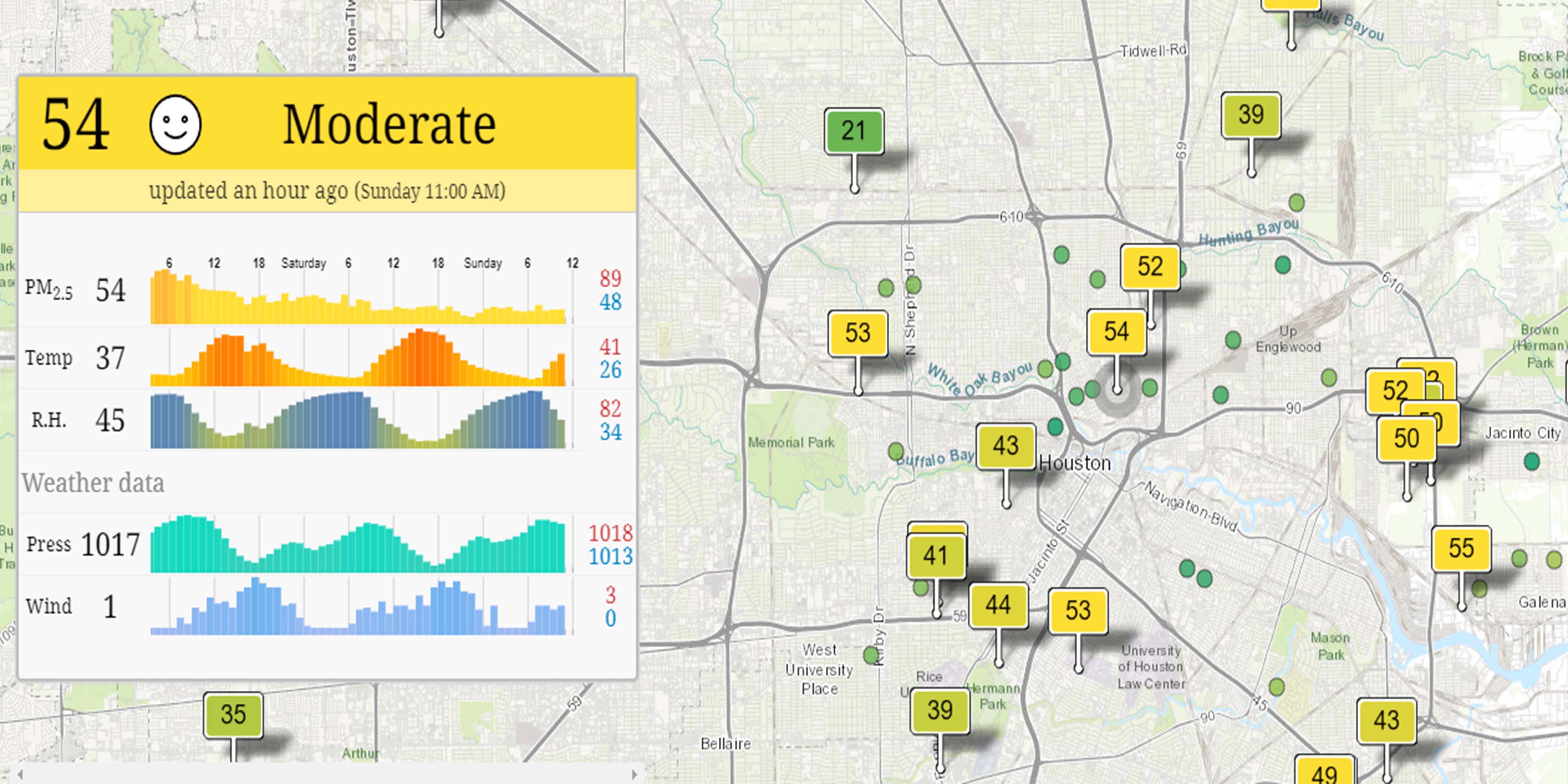
The residents of Pleasantville identified air quality as one of the top five priorities for the community in January 2018. By November 2019, the community-led air monitoring network was being implemented. Today the network consists of a total of 8 low-cost monitors measuring both particulate matter (PM2.5) and nitrous dioxide (NO2). Monthly reports are generated to document air quality measurements. This information is also available on this website.
What are some of the advantages/benefits of being able to access this air monitoring information
Residents have 24-hour internet access to view the devices
End users can create graphs
Color coding allows easy identification for readings
The data has led to the Texas Commission on Environmental Quality (TCEQ) delegated state agency by the EPA is supporting placing a federal equivalent monitor (FEM) in the Pleasantville community by December 2022
In follow up to the Community Survey Results the following gaps have been identified
Access to healthcare - The East Houston Regional Medical Center, was permanently closed in 2017 due to extensive damages from Hurricane Harvey.
(2) Disaster Response - ACTS will provide public health preparedness information. For example, when asked, 29.3% of households in the surveyed area reported that they did not know what to do if asked to shelter in place.
(3) Infrastructure improvements remain on the table for funding to minimize flooding of a community that is not in a designated flood plain.